ServicesKids' Dentistry
Kids' Dentistry in Millbury, MA
We see kids from their first tooth through the teen years. Cleanings, checkups, sealants and small fillings, done at a pace your child can handle. Before we place anything, we tell you what it is made of, how long it tends to last and why we picked it.
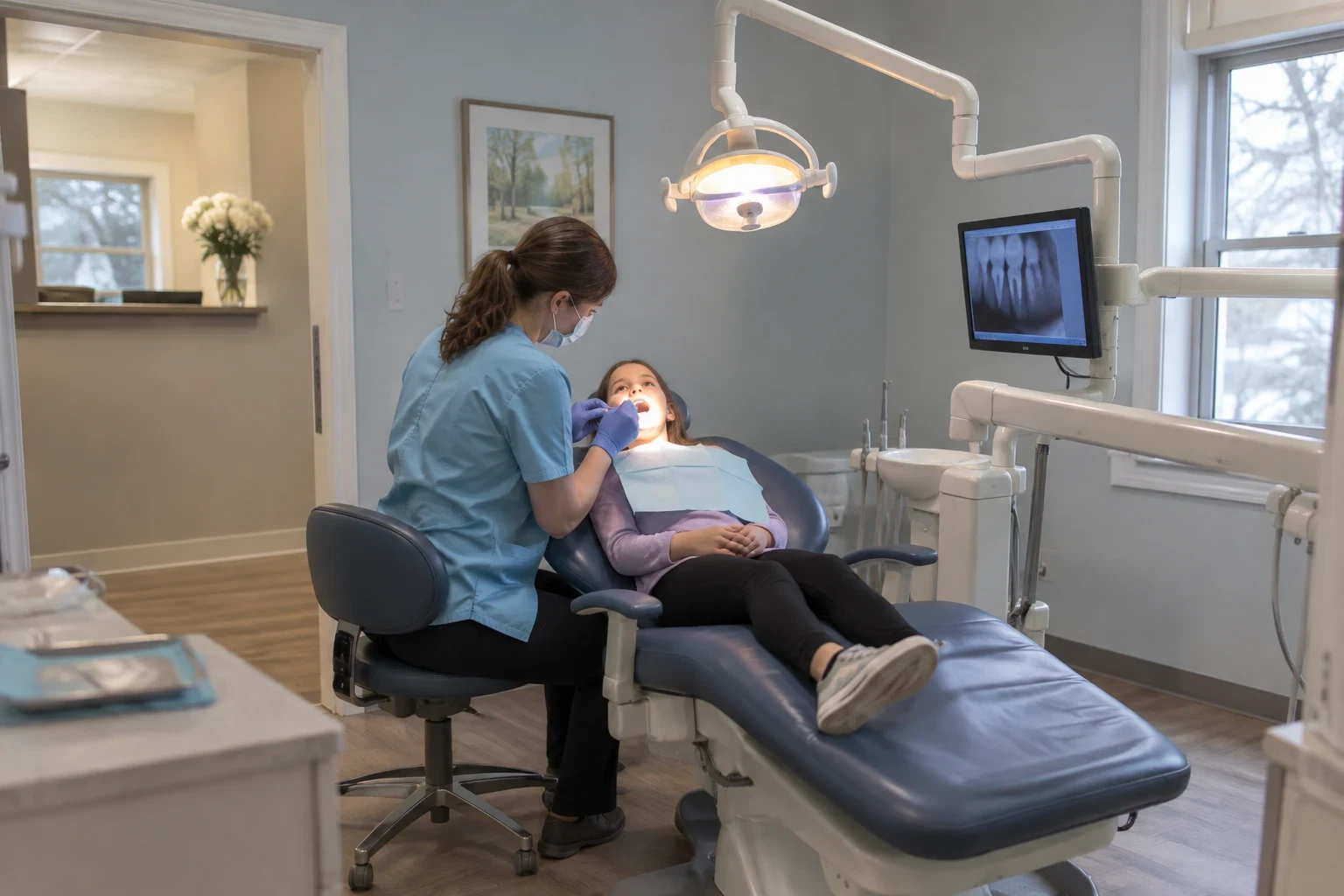
Dental care sized for kids
Kids' teeth are not small adult teeth. Baby teeth have thinner enamel, so a cavity can move from a spot to a problem in a few months. They also hold space for the adult teeth coming in behind them. That is why we treat them seriously, even the ones that will fall out.
Most visits are simple: a look, a cleaning, a fluoride coat and a talk with you. When a tooth needs more, you get a short list of options and what each one is made of. Some last longer. Some look better. Some release fluoride and protect the tooth around them. We lay that out so you can pick with real information.
Kids from Millbury and nearby towns like Grafton, Sutton and Auburn come to us for the same reason. Parents want to know what is going into their child's mouth.
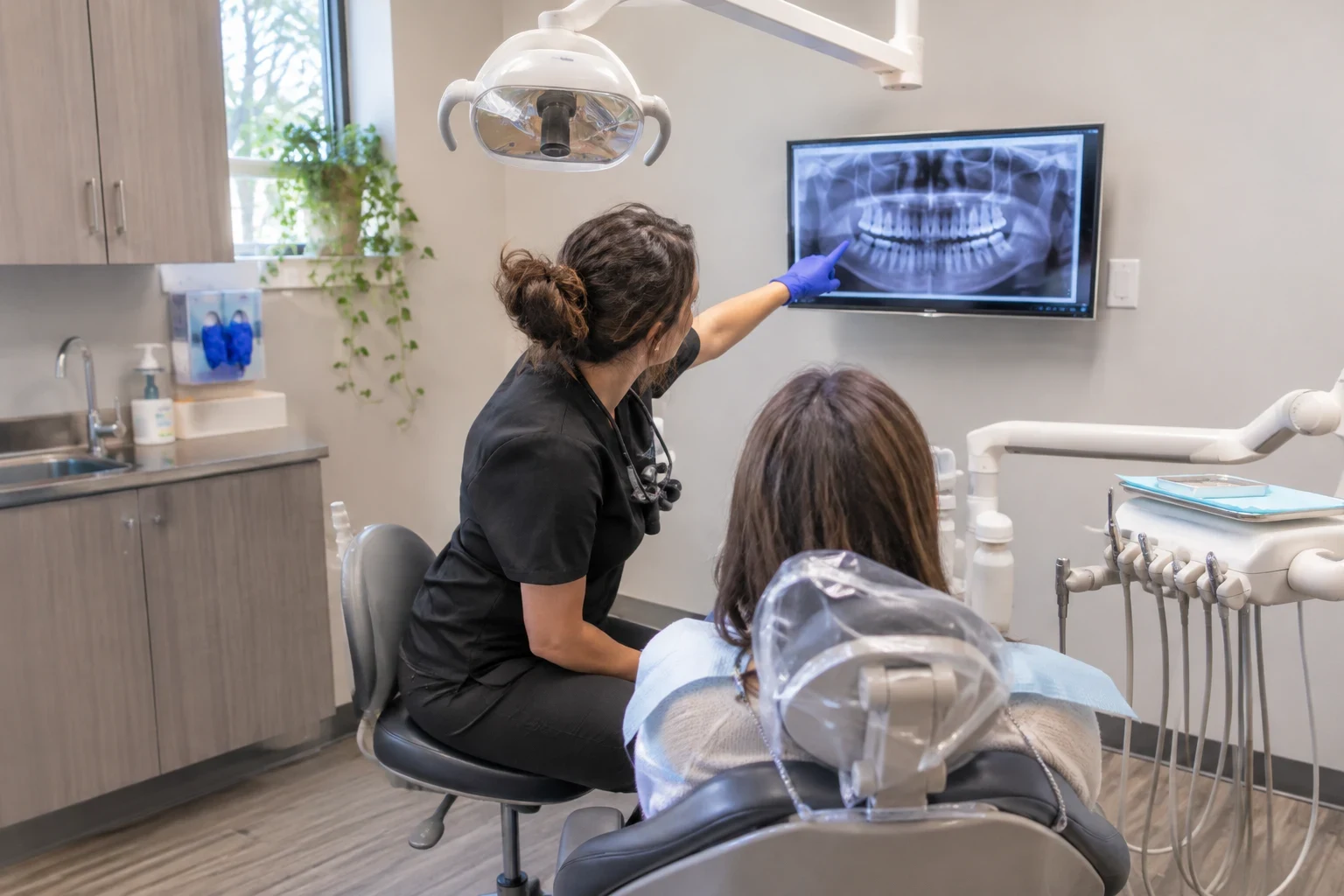
What a kids' visit can include
- 01
Checkups and gentle cleanings
We count teeth, check how they are coming in and clean off plaque and stain. Small mouths get small tools and a slow pace.
- 02
Fluoride varnish
A sticky coat painted on in under a minute. It sets on contact with saliva and helps harden soft spots in the enamel. Your child can eat soon after, just nothing crunchy for a few hours.
- 03
Sealants on back teeth
A thin plastic resin that flows into the deep grooves of molars, where most kids' cavities start. No drilling and no numbing. Sealants can wear down over a few years, so we check them at each visit and touch them up when needed.
- 04
Two kinds of fillings
Tooth-colored composite blends in and holds up well to chewing. Glass ionomer is softer and wears faster, but it releases fluoride and bonds well to a wet tooth, which helps with young kids who can't sit still long. We'll tell you which fits the tooth. Our Fillings page covers adult options.
- 05
Crowns for badly decayed baby molars
Stainless steel crowns are tough, quick to place and very reliable until the tooth falls out. White zirconia crowns look natural but need more tooth trimmed and a drier, calmer patient. Both are real choices, and we explain the trade.
- 06
Growth and habit checks
We watch bite, spacing, thumb sucking and pacifier use. If something needs a closer look later, we note it early so there are no surprises.
Questions about Kids' Dentistry?
Call(508) 466-6991Signs your child should see a dentist
Chalky white or brown spots
White lines near the gums are often the first stage of decay. Caught then, fluoride can sometimes firm them back up without a filling.
Wincing at cold or sweets
Kids rarely say a tooth hurts. They stop eating ice cream or chew on one side. That can point to a cavity.
Bleeding when brushing
Pink in the sink usually means plaque is sitting at the gumline. A cleaning and better brushing habits often clear it up.
No visit by the first birthday
A first check around the first tooth or age one is the usual advice. It is short and mostly about getting comfortable.
Thumb sucking past age four
Long habits can push front teeth forward and change the bite. We can talk about gentle ways to wind it down.
How a visit goes
- 1
Set it up by phone
Tell us your child's age, any worries and your insurance. We pick a time that works, and morning slots tend to suit little ones best.
- 2
Tell, show, then do
We name each tool, let your child touch it, then use it. Kids who know what is coming sit better. You can stay close the whole time.
- 3
Exam and cleaning
We clean, check every tooth and take X-rays only when they will tell us something we need to know.
- 4
Options on the table
If a tooth needs work, we show you what we saw and walk through the options, how long each lasts and the cost difference. Nothing gets started without your okay.
- 5
Treatment on a calm day
Fillings or crowns usually get their own short visit. We keep it brief and stop to give breaks when your child needs one.
What affects the cost
Routine checkups, cleanings and fluoride are usually the smallest part of the bill. The price moves when a tooth needs repair, and it moves most with the material you choose. We give you the numbers for each option before any work starts.
- Insurance coverage
- We accept most dental insurance plans, and many cover kids' preventive visits and sealants well. We'll check what your plan pays before treatment.
- Material choice
- A stainless steel crown generally costs less than a white zirconia one. Composite and glass ionomer fillings also price differently. We show both side by side.
- How many teeth need work
- One small filling and four sealants are very different visits. Catching decay early keeps the list short.
- Plans for families without insurance
- Our Office Dental Plan helps patients without insurance cover regular care. For bigger treatment, the CareCredit Patient Payment Plan lets you spread payments out.
Questions parents ask
Why fix a baby tooth that will fall out anyway?
Some baby molars stay until age 10 to 12. A cavity left alone can hurt, get infected and spread to the next tooth. Losing a baby tooth early can also let other teeth drift into the space meant for the adult tooth.
Can I stay in the room with my child?
Yes. Most young kids do better with a parent nearby. For older kids who want to try it on their own, that is fine too.
What are sealants made of, and are they safe?
They are a thin plastic resin, the same family used in tooth-colored fillings. They are painted on, hardened with a blue light and checked at each visit. We are glad to show you the product before we use it.
Silver crown or white crown for my child's molar?
Stainless steel is tougher, needs less tooth trimmed and is easier on a wiggly patient. Zirconia looks like a natural tooth but takes a longer, drier visit and costs more. For back teeth that nobody sees, many parents pick steel. For a tooth that shows, white is often worth it.
What if my child gets nervous?
We slow down, explain each step and take breaks. A first visit that is just a ride in the chair and a tooth count is completely fine. Comfort now makes every visit after it easier.
Get your child's checkup on the calendar
One short phone call sets up the visit. Bring your questions about sealants, fluoride or fillings and we will answer them in plain words.